
Private tailor-made journeys of a life time

(+84) 942777545
sales@vietnamescapetours.com
Need Help?
Private tailor-made journeys of a life time
Aug 12, 2023
By Ms. Anh Thu
Overview
Does Sapa Vietnam have snow? Is December to January a good time to visit Sapa? We all know that Vietnam is a country in the tropical zone, and when tourists visit, they frequently envision sunlight and vibrant surroundings. But they must have been shocked to learn that some areas of Vietnam may see heavy snowfall throughout the winter. Sapa is one of the exceptional regions in Vietnam that witness snow throughout the winters. Let’s explore with us!
The natural conditions of Vietnam may partially answer the question does Sapa Vietnam have snow? Vietnam is located in the tropical monsoon hot and humid region, while snow occurs only in temperate or Frigid Zone, so the occurrence of snow in Vietnam is very rare. However, on the exceedingly small chance that it does snow in Vietnam, it will mostly certainly fall in the country's northern mountainous areas such as Sapa.
Sapa is one of the destinations in Vietnam to admire the snow. A lovely hidden gem in Northwest Vietnam, Sapa, often known as the "town of clouds," is renowned for its stunning scenery of cascading terraced rice fields, verdant valleys, and green mountains. The town is known for its vibrant cultural diversity, which supports the survival of the area's ethnic minority via traditions and beliefs. The Hmong, Dzao, and Tay tribes have lived in these small hill tribal settlements for decades while maintaining their customs and traditions. A unique experience is taking in the local culture via the use of vibrant clothes, traditional dances, and music. Ahead of a deep valley filled with spectacular rice terraces, Sapa town offers breathtaking views of the area's highest peak, Mount Fansipan, as well as white-water rivers, lush green mountains, and other natural wonders.
Sapa is not the only place in Vietnam that has snow. Besides Sapa, other coldest Northern regions in Vietnam also witness snowfall. Snow may be seen on the summits of mountains including Tam Dao, Sapa, Mount Fansipan, and Hoang Lien Son during the winter. There are a few unique locations you may travel to in the winter to discover some fresh powder, even if snow isn't something that happens frequently. There is a region of Nghe An - a central region of Vietnam that also has snow in winter, that is Ky Son district - a mountainous area.
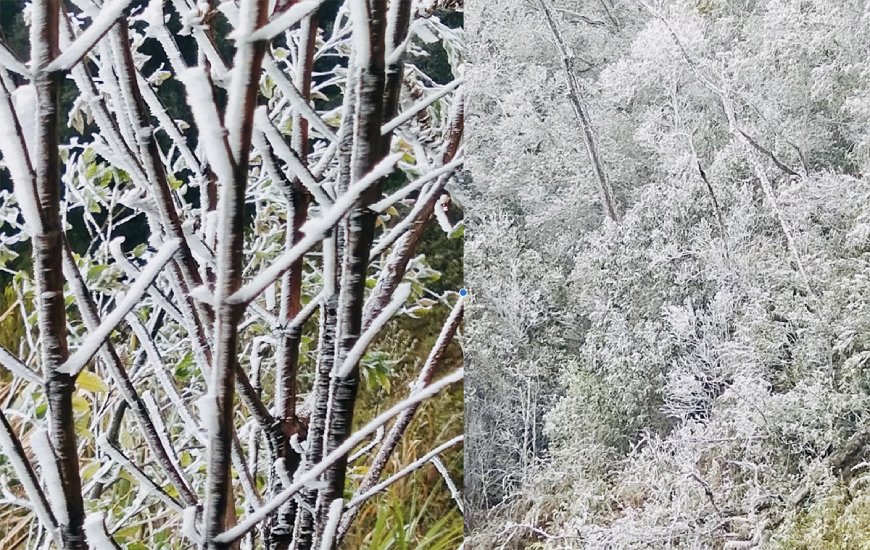
Snowfall in Ky Son, Nghe An
In December, the weather in Sapa in Vietnam is characterized by mild weather, snow, and cold temperatures. The climate is divided along the valley, with some parts staying mild during winter and others experiencing snow and cold. Like Western Europe and North America, Sapa, North Vietnam, has a four-season cycle. Vietnam benefits from the tropical climate, so any snow in Sapa or the South is considered a disaster for farmers. However, tourists can enjoy the rare and beautiful sight of Sapa snow, offering a unique photo opportunity. Snowfalls typically occur between mid-December and early January, lasting 1-2 days.
All in all, the snow season coincides with the freezing winter in mountainous Sapa, which last from December to January. Especially, snow falls at the end of December which is Christmas or New Year’s Eve is such a fortunate time for local people and international tourists.
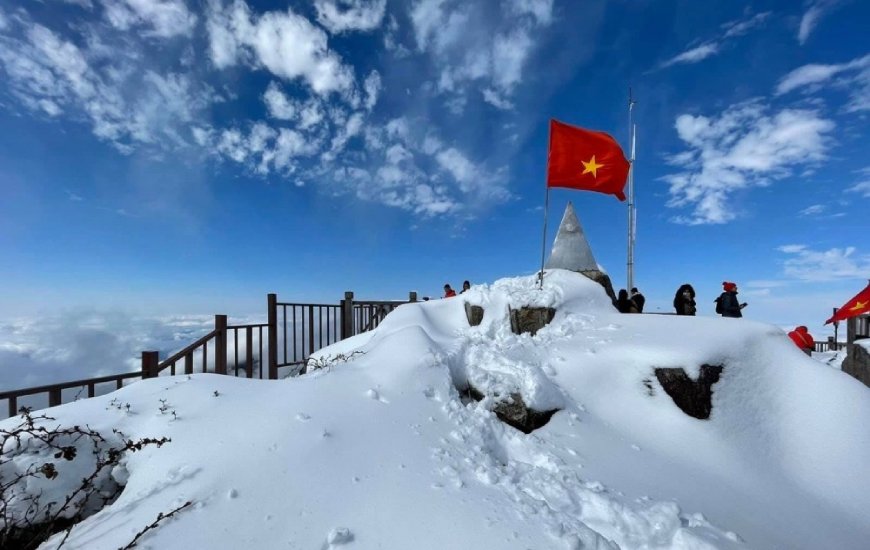
The tallest peak in Indochina, Fansipan, is known as the Roof of Indochina. Nearly 9 kilometers separate it from Sapa Town. it is considered the best spot in Vietnam to see snow in the winter. For travelers who wish to enjoy its exceptional natural beauty and cultural elements, Fansipan is a must-visit location. You have two options for getting to the top: either use a cable car for ease or start a strenuous, two-day hike.
Before you reach the roof of Indochina, there are magnificent temples to admire at the summit. Reaching Vietnam's highest peak and, if you're lucky, seeing snow in Sapa, Vietnam, will require you to ascend 600 additional stairs. The climate here is comparable to that of Europe because of the low air pressure and high humidity, which produce the ideal snow-making circumstances. Even making snowmen is possible on days with a lot of snow!
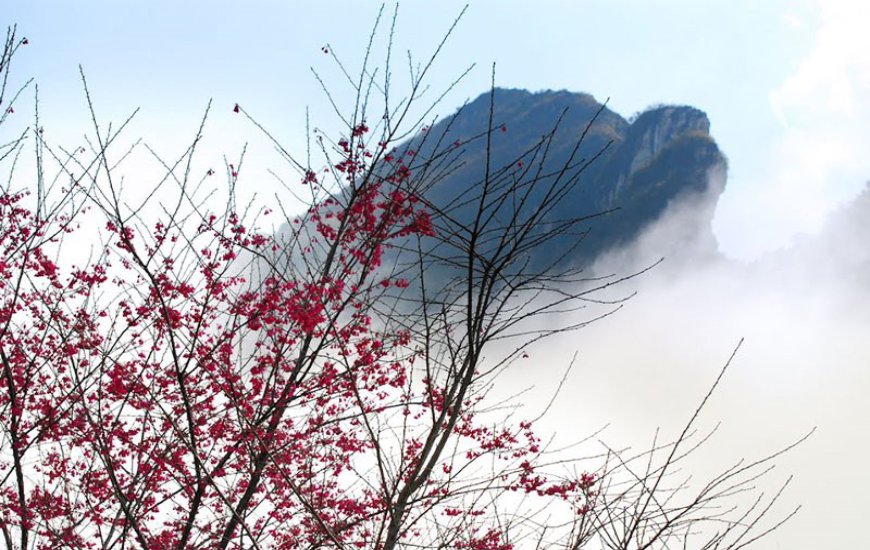
Another location from which travelers may observe the entire town and the surrounding area is Ham Rong Mountain. The peak's 1,700 m elevation makes it the perfect place for tourists to view the surrounding flora and fauna, as well as clouds and, if they're lucky, snow. It provides breathtaking views of the various plant levels and is a good place for mild hiking. Additionally, Sapa in the winter is the solution to the question of whether it snows in Vietnam. Even the dreamy and peaceful Silver Waterfall, which winds through the slopes in the Ham Rong mountain region, can be seen from a distance, contributing to the natural beauty of the place.
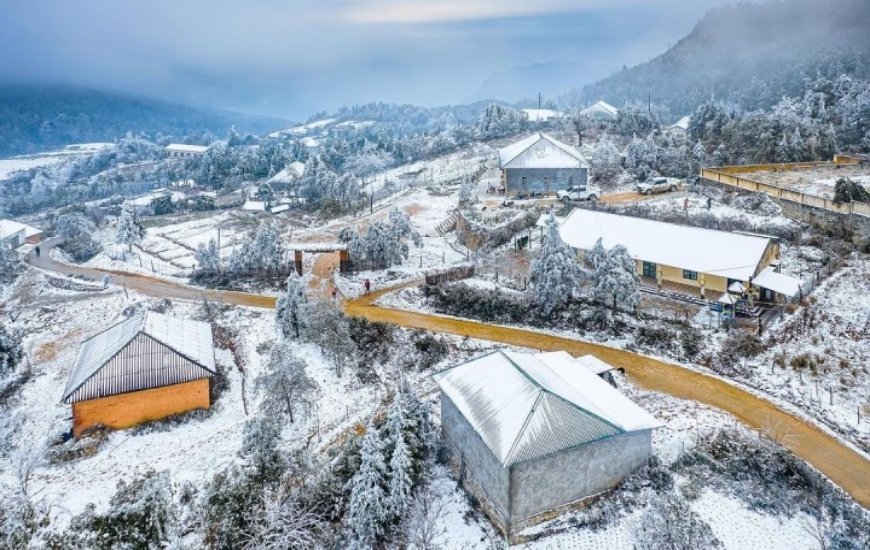
Bat Xat Commune is another destination to see snow in Sapa, this is also the place where tourists rush to hunt clouds and immerse themselves in the panoramic view. Bat Xat village in Sapa provides the opportunity to see heavy snowfall throughout the winter. Although the snow covers the fields and makes for a picturesque winter landscape, it also harms the crops and has an impact on the residents. Despite this, the residents of Bat Xat continue to provide fascinating and striking glimpses into their everyday lives.
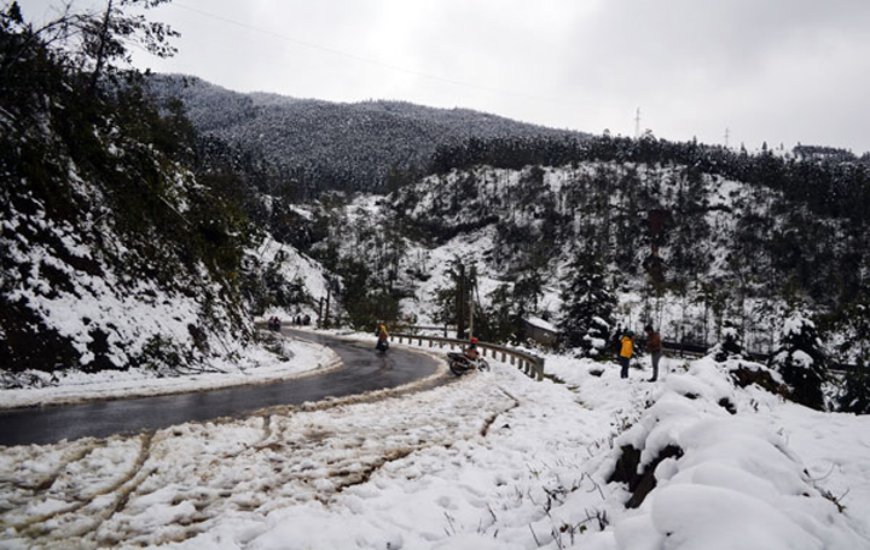
One of the four major peaks in the Northwest, BatO Quy Ho Pass, provides stunning views of Sapa from the summit. Lucky visitors may view lovely snow-covered residences and trees in the winter. In Sapa, there are plenty of additional snowy locations to discover, like Silver Waterfall and Muong Hoa Valley.
Train and bus: To get from Hanoi to Sapa, take a train to Lào Cai and then change to an hour-long bus or taxi through the mountains. The train journey takes around eight hours and offers various classes, including hard and soft sleepers and soft and hard seats.
Private Transfer, Taxi, and Rental Car: Alternatively, you can take a private car, taxi, shared tourist minibus, or van through the mountains. Alternatively, you can rent a car and drive yourself to Sapa, but be aware of the mountainous road and potential dangers.
Bus: Buses from Cat Ba island, Dien Bien Phu, Hà Giang, and Lào Cai/Hekou (China) can take anywhere from six to 10 hours, with daytime and night buses available.
Motorbikes or scooters: Motorbikes or scooters can also be driven to Sapa, but be prepared for the beautiful mountain road and cold weather. It is essential to have a motorbike license issued in your home country and an international driver's license.

Domestic tourists and people from tropical or subtropical zones may find it quite difficult to get accustomed to extremely low temperatures in Sapa because snowfall is rare in Vietnam and their countries. Thus, they must prepare clothes thoroughly and seriously. The other tourists also need to bring warm clothes at hand to avoid catching a streaming cold. Choose a rainproof jacket with a hood, wear non-snowy pants and warm wool ones, wear waterproof high-neck snowshoes, and bring essential warm-keeping items.
- To make sure you schedule your vacation for the correct time, check the weather forecasts on TV or on weather apps. Snow in Sapa, Vietnam often only comes when the temperature dips below 0 degrees Celsius.
- Early in the morning, when the light has not yet risen and the snowflakes are still whole, is the greatest time to photograph pictures of snow.
- It's important to bring the appropriate protective clothing to keep your camera dry because it's possible for photographic equipment to become wet when the snow melts. You may protect yourself from harm by using a nylon bag or waterproof case!
Will Sapa snow in December?
Sapa offers a unique snow experience for tourists, typically occurring from December to January, the coldest time of the year. The snowfall time varies depending on Vietnam's climate each year.
Does Sapa Vietnam have snow in January?
January is a month of winter in Sapa Vietnam, so it is more likely for people to enjoy snow in January.
Which city in Vietnam has snow?
Besides Sapa, other coldest Northern regions in Vietnam also witness snowfall. Snow may be seen on the summits of mountains including Tam Dao, Sapa, Mount Fansipan, and Hoang Lien Son or Ky Son (Nghe An) during the winter.
What are the winter months in Sapa?
Sapa Vietnam experiences annual snowfall in mountainous regions, typically between December and February, despite being a rare occurrence.
Does Sapa Vietnam have snow every year?
It depends on the weather each year. For instance, there was a snowfall last year doesn't mean there will be snow in the following years. Sapa only experiences snowfall from December to January, the coldest season in Vietnam. The timing varies based on climate, so monitoring weather forecasts is crucial to confirm snowfall. So how often does it snow in Sapa Vietnam?, the answer is that it is rare to snow in Vietnam.
Does Sapa Vietnam have snow? The answer is yes, coming to Sapa to hunt snow and hunt clouds will be an unforgettable experience in your life. You can book a Sapa Tour from the best Vietnam Travel agency to have the best experience in Vietnam. Thank you for reading.


