
Private tailor-made journeys of a life time

(+84) 942777545
sales@vietnamescapetours.com
Need Help?
Private tailor-made journeys of a life time
Aug 18, 2023
By Ms. Anh Thu
Overview
Thuy Xuan Incense Village Hue is a must-visit destination for your trip to Hue - the Vietnamese Ancient capital. The smell of aloeswood and the sight of countless bouquets of bamboo incense sticks being sundried along the village's roads always impress both domestic and international tourists when they visit Thuy Xuan, the oldest village of its kind in Vietnam. If you want to learn more about this exquisite and unique destination in Vietnam, read on!
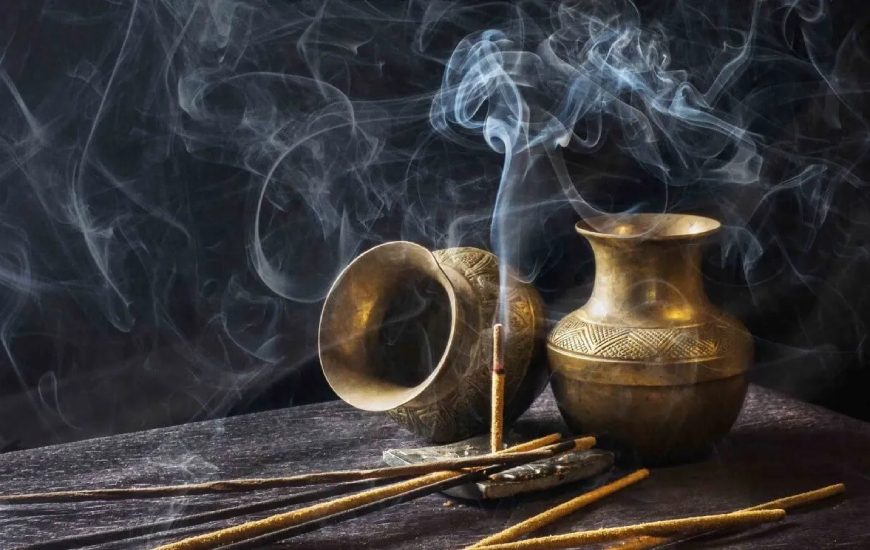
In terms of meaning, the incense-burning practice reflects people’s desire to contact deities. Vietnamese people believe that in the other world, there are invisible people who are with us daily. We may establish a connection with them and warm both the visible and invisible worlds by burning incense sticks. The custom of burning incense dates back to King Tran Nhan Tong, who gave up the throne to become a monk. Ancient Vietnamese also used incense during temple visits, hoping for blessings on their journey. On New Year's Day, people visit temples to worship Buddha and pick the first fortune, often encountering old and young men and women holding incense. This is not a superstition act but a beautiful culture that has been passed down for a long time. Offering incense to the Buddha provides serenity and peace of mind, with the belief that they will be protected by the holy Buddha. In Vietnam, incense sticks serve as a sacred connection between the land of the living and the afterworld, making burning them a traditional rite indispensable on various occasions, including death anniversary and Tet holiday.
Incense is a significant cultural item in various cultures, including ancient Egypt, Greeks and Romans, and Eastern religions. In Vietnam, incense is considered a beauty in the spiritual life of Vietnamese people, as it helps warm their souls and promotes truthfulness, compassion, and beauty of life. Despite not believing in gods or an afterlife, incense and its fragrance warm the souls. Incense rings burn clockwise, representing the human vortex of life, and ultimately, the goal is to reach the true value of the spiritual realm. Incense is no longer a tangible item but an indispensable spiritual item, contributing to the preservation of Vietnam's national cultural identity.
The incense's smoke represents holiness and purity. It also represents the faithful's prayers. Thurification is a crucial ritual in various religions, particularly Buddhism, where incense offering is an essential practice during ceremonies and festivals. Incense is one of the six offerings, alongside flowers, candles, drinks, fruits, and food. According to Buddhist beliefs, sincerity is expressed through incense smoke and natural sources. There is no need for a large feast, as aromatic incense, light, fresh flowers, and good fruits are sufficient. Buddha is believed to be in the heart of everyone, and Buddhism dignifies the sincerity of each believer.
The largest incense-making village in Hue, Thuy Xuan is situated on Huyen Tran Cong Chua Street, about 7 kilometers to the southwest of Hue city. Visitors can stop at Thuy Xuan on their route to Tu Duc Tomb (the mausoleum of Tu Duc) and Vong Canh Hill to see the famous local crafts. Visitors visiting the village get the opportunity to build their own incense sticks as well as learn more about daily life there.
Thuy Xuan Hue incense village, dating back 700 years, was a traditional incense-making village in the Nguyen Dynasty. It was once a supply center for the royal court and locals in the Thuan Hoa and Phu Xuan areas. Despite changes, the Hue incense village remains preserved and developed, with generations passing down the craft from generation to generation. The incense sticks were produced in two basic colors, brown and red, serving the spiritual life of locals and visitors.

Thuy Xuan incense village in Hue is known for its delicate and meticulous incense-making process. The village's ethereal scent is achieved through a careful mixture of cinnamon, star anise, cloves, cardamom, and pine buds, as well as forest grapefruit peel powder and dried grapefruit flowers. To avoid making burn incense that is abnormally burned, so the villagers use dried bamboo intestines, chopped and dried in the sun for many days, to create the incense core. The raw materials for making incense sticks are old bamboos from Binh Dien, Phong Son, or Nam Dong forests, which require the craftsman's determination and skill to create the right size sticks. Traditional incense sticks come in two basic colors, brown and red, but the craftsmen in the village have creatively mixed them into various colors to make the product more eye-catching. The village's unique incense production is a testament to the village's commitment to traditional incense making and the unique beauty of the village.

Thuy Xuan Village, a traditional incense-making village in Hue, attracts tourists due to its stunning scenery and multi-colored bouquets of incense sticks. The Thuy Xuan Hue incense village is a peaceful and picturesque place in the heart of the ancient capital of Vietnam. The village is known for its colorful scent bunches, which are eye-catching and fragrant. The artisans pay attention to the quality of raw materials and use delicate scents to create vibrant colors that reflect traditional Vietnamese life. The aroma of Thuy Xuan makes one think of evenings or holiday family get-togethers.
The village produces incense in various aromas, including cinnamon, citronella, and jasmine, but its name is derived from agarwood. Over 100 households in Thuy Xuan Village practice this craft, generating an average income of 5-7 million VND/person/month. In the past, agents in Hue City and the neighboring areas sold incense. Over the past decade, villagers have received large orders from traders from both inside and outside Thua Thien Hue Province, particularly on special occasions like traditional celebrations, Lunar New Year, and Hue Festival. The village also exports its products to foreign markets. In recent years, the craft of incense making has been introduced during Hue City tours, making it a must-see destination for tourists. Visitors can explore every step of the incense-making process, from selecting materials to processing and rolling the incense paste around sticks. The village also offers an opportunity for tourists to explore Hue's landscape, culture, people, and daily life.

Thuy Xuan Incense Village is a popular tourist destination in Hue, known for its vibrant incense-making area and colorful bouquets. The village is a well-known traditional craft village of the old capital and attracts a large number of domestic and international tourists each year. This is because Thuy Xuan Incense Village Hue is home to a number of "blooming" incense facilities in hues of green, red, purple, and yellow. Visitors can immerse themselves in the rich culture and capture unforgettable pictures.
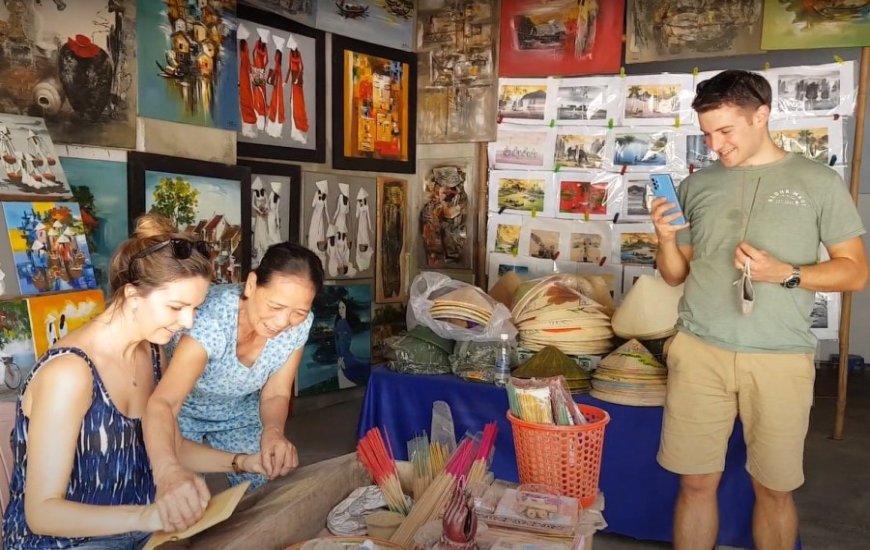
Experience making incense by yourself at Thuy Xuan Incense Village, which offers an authentic cultural experience. Observe the precise procedure of producing handcrafted incense, and even participate in some of the steps. This hands-on activity provides insight into the traditional profession and daily life of the people in the village. Learning how to make an incense stick deepens your understanding and appreciation for the artistry behind the art.
The village offers a diverse range of incense and frankincense products, with prices ranging from 40,000 VND to 600,000 VND depending on their materials. For example, Sandalwood Incense is priced between 80,000-200,000 VND per pack, while Cinnamon Incense is around 40,000 VND per bundle. The Vietnamese incense village also offers a wide range of souvenir products, such as fans, brocades, and oil paintings, that bear the colors of the ancient capital.
Visit the enchanting incense village during the summer months from March to August, when the dry weather allows locals to dry their finished incense bundles, creating a stunning display of colorful sticks. The artisans in Thuy Xuan village are skilled in their craft, focusing on ingredients quality and marinating fragrances for a unique Vietnamese scent. The artisans' skillful hands create a stunning display of colorful incense.
Agarwood's aromatic, spicy scent promotes alertness and awareness, transforming spaces and enhancing an ethereal atmosphere.
The village offers a diverse range of incense and frankincense products, with prices ranging from 40,000 VND to 600,000 VND depending on their materials. For example, Sandalwood Incense is priced between 80,000-200,000 VND per pack, while Cinnamon Incense is around 40,000 VND per bundle.
By booking a to Hue from the best tour operator in Vietnam, you have a higher chance to visit Thuy Xuan Village Hue. simultaneously, you can explore Hue Imperial Citadel and Hue Royal Tombs, learn about the Thien Mu pagoda love curse, and explore the Nguyen Dynasty's architecture. Enjoy Hue cuisine at a local restaurant and explore the famous Khai Dinh Emperor's tomb.


