
Private tailor-made journeys of a life time

(+84) 942777545
sales@vietnamescapetours.com
Need Help?
Private tailor-made journeys of a life time
Aug 18, 2023
By Ms. Minh Thu
Crossing a small creek of the Thu Bon River for more than 400 years, the Japanese Bridge Hoi An has always been known as a "talisman" for the land and Hoi An people. The Japanese Bridge is a symbol of Hoi An's cultural heritage, as well as a connecting link for the long-term friendship between Vietnam and Japan. Let the best Vietnam tour operator accompany you on the journey exploring this beautiful place.
The Legend
According to Japanese legend, people living near Cau Pagoda often see on the river surface the back of the monster, a sea monster that the Vietnamese call a sheep, the Japanese call it Namazu. In Japanese mythological culture, Namazu is a catfish with a giant body. So every time it moves, its tail wags so hard that the earth shakes. The Namazu is depicted as being kept by gods in the mud beneath the islands of Japan. However, when the gods weren't alert, Namazu would shake his body and cause terrible earthquakes. Only the son of the Thunder god and master of Kendo - Kashima can tame this giant catfish. However, sometimes when the kashima god is tired or distracted, Namazu has the opportunity to disturb himself to create earthquakes, even volcanic eruptions, causing great disaster for the people. The Namazu sea monster is said to be very large in size, with a head in Japan, a back over a slit in Hoi An and a tail extending to India. Every time that monster stirs up, Japan gets an earthquake, and in Hoi An, the Japanese, the Chinese, and the Vietnamese can't do business in peace. From September to December of the lunar calendar, floods often occur with thunderstorms. Whenever there is a flood, people whose houses are close to the river are often submerged in the sea. It takes 3 to 4 days or even a week for the water to recede. The God of the North, Tran Vu, is a god capable of ruling Water. He always prevents and repels earthquakes taking place in Hoi An every year, stabilizes feng shui to help residents do business and trade smoothly. Therefore, the Minh Thuong people worship the North Deity Tran Vu in the pagoda as their spiritual support in the process of settling in the new land, also helping them to overcome difficulties and gain more faith in their livelihood.
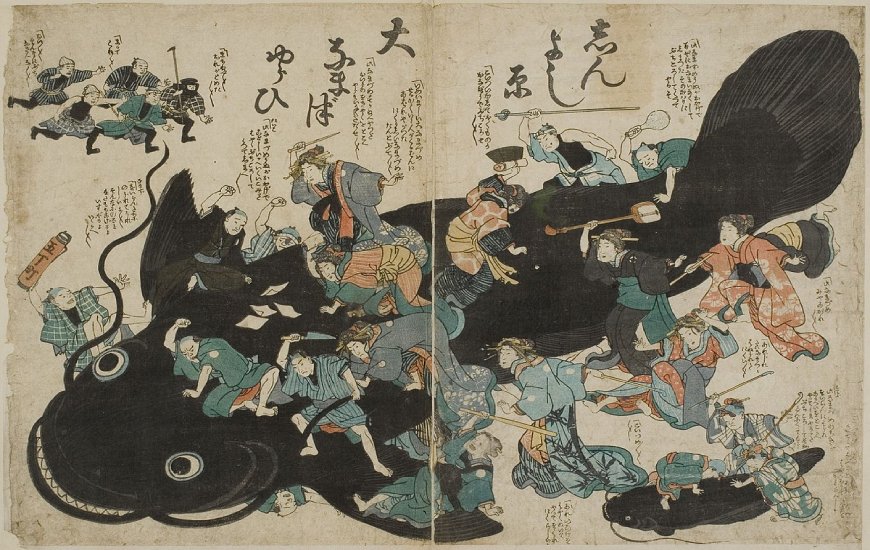
Namazu - the monster in Japanese mythological culture
The Architecture
The Japanese bridge is considered the soul and symbol of Hoi An people. This is also a unique architectural work consisting of two individuals, a pagoda and a bridge, built across a creek nearly 10m wide, flowing into the Thu Bon River. With a length of nearly 18m, the structure of the bridge is designed quite meticulously in the style of Thuong Gia Ha Kieu Tich. Above is a house, below is a bridge, including 7 compartments. The 35 nave is located on the water, the two ends are located on the west bank and the east is designed as the entrance. On the main door of the bridge pagoda, there is a large sign embossed with three Chinese characters, Lai Vien Kieu. This is also the name of the bridge that Lord Nguyen Phuc Chu named in 1719, when he visited Hoi An. The meaning of the name Lai Vien Kieu is to welcome guests from afar. People have restored and repaired the temple many times, except for the foot of the bridge under the foundation. The bridge has never been reinforced, remaining intact for more than 400 years. Because the bridge foundation was built from limestone with the honey of sugarcane because in the past people did not have cement.

The unique architecture of the Japanese Bridge Hoi An
Explore the history of Japanese Bridge Hoi An
Coming to this unique pagoda but not understanding why it was built, what the name means and how it was constructed is such a pity because this pagoda embodies a lot of interesting facts, making it outstanding of many pagodas across Vietnam. Even though Japanese Bridge Hoi An is not the most grandiose or beautiful one, the bridge still stands out due to its unique structure, which is the sound combination of a house and a bridge. Besides, even though you know its legend, visiting the Japanese Bridge Hoi An, you still want to listen again while standing on the very place mentioned in the story.

Standing on the Japanese Bridge Hoi An and listening to its history is worth it
Admire the unique structure of Japanese Bridge Hoi An
As mentioned above, the Japanese Bridge Hoi An possesses a special structure that makes it unmistakable among many other pagodas in Vietnam. There are two separate parts that are a house and a bridge on Hoai river, creating this distinctive construction. All the decorations and carvings outside and inside are attractive, too. Because this was based on Japanese style, it seems like you can explore something fresh and exotic in the S-shaped country. These Japanese cultural footprints are reflected on the tile roof, wood walls,... So come to the Japanese Bridge Hoi An, don’t forget to take photos of this. The bridge is even more gorgeous at night when colorful lights are activated, creating a sacred and glittering scenery.

Japanese Bridge Hoi An is glittering at night
The Hoi An Bridge Pagoda can currently be found in Hoi An City, Quang Nam Province, across a small tributary of the Hoai River, adjacent to Nguyen Thi Minh Khai Street and Tran Phu Street, at 186 Tran Phu, Minh An Ward, Hoi An, Quang Nam to be specific. How many kilometers from Da Nang to Hoi An is actually not far at all. Many travelers will often combine these two locations in their trip. Therefore, the demand for travel has also increased significantly. Should go by bus, motorbike, rent a car or take a taxi. What means of transport will help your journey to Hoi An go smoothly. Don't worry, Kha Tran car rental will help you make the smartest and most suitable choice. Let's follow along:
Take a bus
From Da Nang to Hoi An by bus. The traditional bus route between the two routes Da Nang - Hoi An has been put into operation for a long time until now. This is a quite popular means of transport for those of you who often travel to these two points. Buses currently have a very cheap price of only 25,000 VND / ticket. Depending on the time, the price may fluctuate but not significantly. By using the bus, you can make huge financial savings. However, with hot weather, choosing to take the bus will make you feel tired, hot and cramped. Especially in peak seasons, holidays and Tet.
You can go to Da Nang bus station and roads such as Ton Duc Thang, Dien Bien Phu, Le Duan, Tran Phu, Trung Nu Vuong, Duy Tan, Ngu Hanh Son ... If in Hoi An you go to Hoi An bus station according to the following directions. main roads such as Le Van Hien, Ngu Hanh Son, Nguyen Van Troi bridge...
You should pay attention to the operating time between the buses from 5:30 am to about 18 pm. Usually there is a bus every 20 minutes. With this vehicle, you will travel within 70 minutes - 80 minutes takes a lot of time.
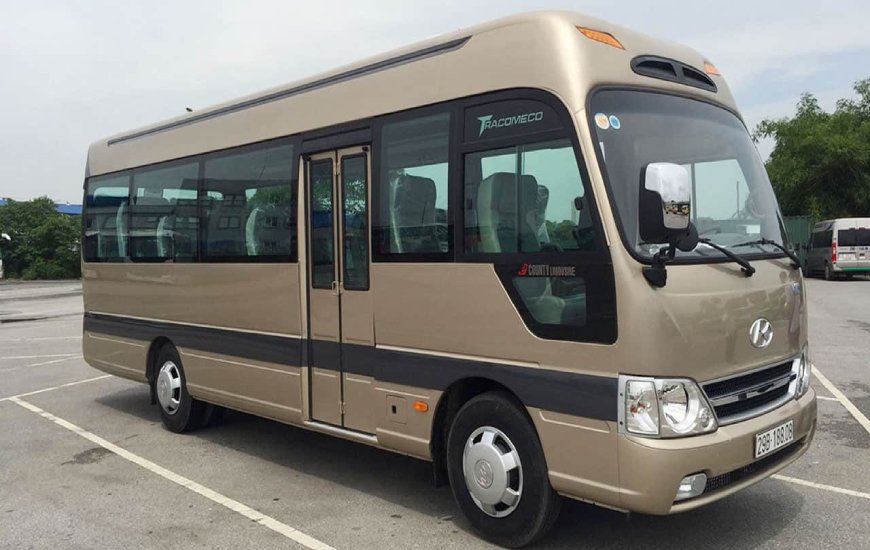
Ride motorbike
If you know how many kilometers from Da Nang to Hoi An, the simpler way is to go by motorbike. Currently, there are many motorbike rental businesses in Da Nang if you do not have a personal motorbike. The price of motorbike rental will vary by day from 80,000-130,000 VND/day depending on the type of car, scooter… The form of renting a car from Da Nang to Hoi An is not complicated, just keep the proof that you will have a car. vi vu for my trip
Riding a motorbike always has interesting things that so many backpackers find their own time. Explore, visit or admire the beautiful scenery of the S-shaped strip of land. If you can give yourself the opportunity to go through the roads with you, find the place you want to go, make a youthful trip that will never happen. forgot now. Travel time may be more than 1 hour, but the beautiful scenery out there always motivates you. Let's make a meaningful journey Da Nang - Hoi An.

Take a taxi
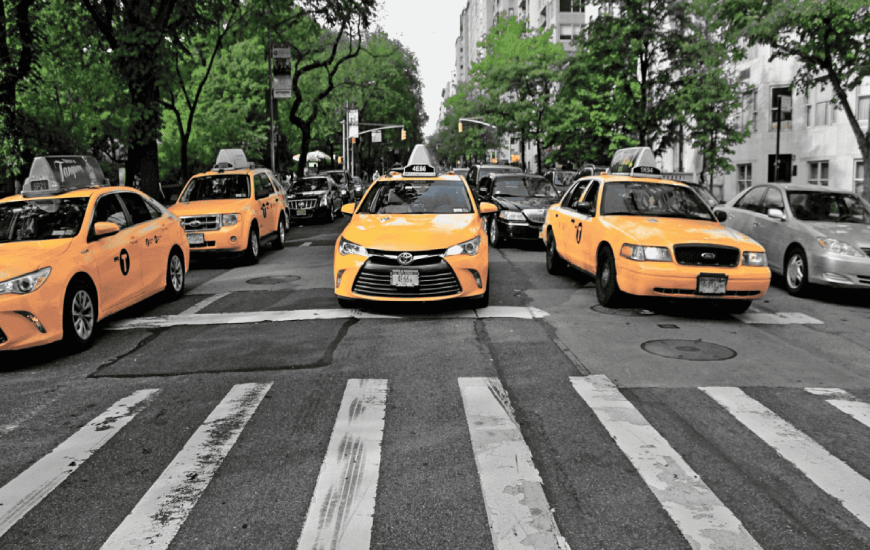
Taxi is also a very popular means of transport for tourists because of its comfort and convenience. Although the distance is not very far, taking a taxi will be more expensive than other means of transport. It can be said that taxis are the most expensive means of transportation. According to many tourists, the experience of going to Da Nang to Hoi An by taxi is cheap, you should pair up with a group of friends of 2 or more people. The cost per person will be reduced by more than 50% compared to the original price between Da Nang - Hoi An. The current taxi price is 300,000 VND - 400,000 VND, if you share it, it will only cost you about 100,000 VND - 200,000 VND.
Fujian Assembly Hall In Hoi An, year-round travel is encouraged. It is best to visit Hoi An between February and August during the dry season to truly appreciate the city's magnificent architectural structures. But experiencing Hoi An in a downpour is equally fascinating. Hoi An Ancient Town is low-lying, thus during heavy downpours, the entire neighborhood will be flooded with both precipitation and floodwater from upstream of the Thu Bon River. This is also the time when Hoi An's "floating season" is being promoted, when tourists can enjoy sailing boats along this unique area.
Consider the following before visiting Japanese Bridge Hoi An:
- If you are traveling in a large company, you should engage a tour guide who can show you the distinctive architectural features and narrate tales about the locale.
- To avoid crowds, you should go to the bridge between 9 and 3 in the afternoon.
- The bridge is a famous destination for spiritual tourism, therefore you shouldn't make noise or dress provocatively.
- Close to the bridge, savor Hoi An specialties including Cao Lau, Quang noodles, chicken rice, Hoi An pancakes, Phuong bread, mixed sweet soup, etc.
Coming to Hoi An, you can not ignore Japanese Bridge Hoi An as it is one of the most famous sites in the World Cultural Heritage site, not only for its unique architecture but also for its fascinating mythology. Coming here, you will have a chance to take in Japanese architectural beauty on vietnam’s land, and feel the good friendship between the two countries. Thank you very much for reading!


