
Private tailor-made journeys of a life time

(+84) 942777545
sales@vietnamescapetours.com
Need Help?
Private tailor-made journeys of a life time
Aug 16, 2023
By Ms. Anh Thu
Overview
What are the taboos in Vietnam? Have you ever heard about this question before? If you are planning to visit Vietnam in the near future, you should know what are dos and don’ts in Vietnam, in other words, what visitors should or shouldn’t do when visiting a culturally different country like Vietnam. To help know more about the taboos in Vietnam, we have helped to fill them up below, read on!
Different countries have different cultures. The difference in the culture of each country is inevitable because of the difference in language and way of thinking, which can be expressed in communication, living, eating, working, etc. In the era of Cultural interference between countries in the world, learning about the cultures of countries is very important, helping people from different backgrounds to communicate harmoniously and avoid unnecessary misunderstandings. That is why when traveling to a foreign country, we need to learn what to avoid, and what are taboos in that country.
Due to the considerable historical effect of Chinese culture on Vietnamese culture, Vietnam, a country in Southeast Asia, is also regarded as a component of the Sinosphere. Vietnam is also affected by the cultures of its neighboring countries. And Vietnam is a country with a long-standing culture and has quite strict regulations and procedures. Thus, when international tourists visit Vietnam, they should know what are the taboos in Vietnam, how to behave in Vietnam, what is considered rude, and dos and don’ts in Vietnam. This is also the same story when the Vietnamese visit other countries because of the different cultures.
Avoid discussing delicate subjects in public with Vietnamese people, such as politics in general and the Vietnam War in particular. The Vietnamese have conflicting opinions regarding the "American war," therefore it seems sensitive that they would be reluctant to discuss it with US citizens.
Respect everyone's head, especially children.
Never give someone a shoulder rub.
Keep your hands off your hips when standing.
Avoid folding your arms over your chest.

Actually, handshaking is not a real taboo in Vietnam, but there is a note you should keep in mind. The Western influence in Vietnam is making the ritual of handshaking, which the people there formerly thought was barbarous, more and more common. When introducing themselves to others, men often shake hands, offer a polite "how are you," and tip their caps. Women continue to be reluctant to shake hands, especially with males from their own nation and especially those living in rural areas. It is preferable to wait till a lady extends her hand before approaching her to shake hands.
Never pass something over someone's head and always use both hands while passing something.
Avoid placing your feet in front of any place of worship.
When you enter a house, take off your shoes.
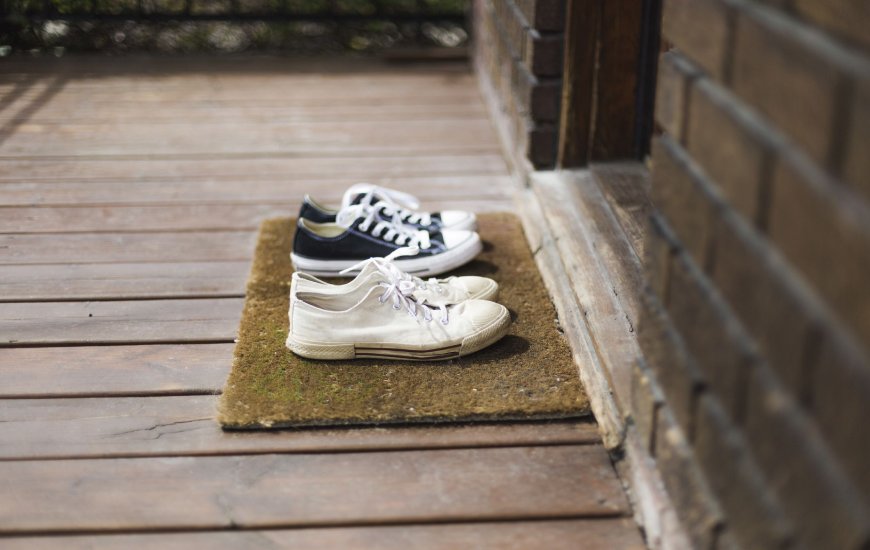
Taking off your shoes when entering a house
- Don't get tempered in front of others or when haggling over a deal.
- Refrain from making a public show of affection for someone who is the other sex.
- Avoid donning skimpy swimsuits like bikinis.
- Avoid drinking tap water; instead, choose bottled or boiling water.
Vietnamese people value greetings as a form of communal expression and good manners in communication. With over a thousand years of historical and cultural heritage, greetings indicate national characteristics like respecting elders, teachers, and other social ties. Vietnamese greetings are not straightforward sentences, but they are often warm and nodding heads. They usually greet each other by joining hands and bowing slightly. At social gatherings, Vietnamese prefer a conventional handshake, with some ethnic minorities making a slight bow with both hands folded in front of the body to express respect. Men and women generally shake hands and bow slightly, while those of authority clasp both hands. To say hello, use "Xin Chao" (seen chow) or "Chao" (seen chow) for familiar people. For seniors, use "Chao anh," "Chao chi," "Chao co," and "Chao chu," but only for those older than you. When meeting younger individuals, use "Chao em" (same age as you) instead.
Vietnam has various clothing codes, with the North being more conservative and traditional than the South. The country has no official dress code, so tourists are expected to dress modestly and similarly to the natives. Dressing modestly is considered the norm, and it is more relaxed in major cities. When visiting formal occasions like temples and churches, it is better to wear long sleeve clothes and long shorts, avoid exposed shirts, and avoid hats inside these places. The weather in Vietnam varies by season, so research the local weather before traveling. Rainy seasons require quick-drying clothing, while winter is usually dry. Summer clothes are required in the south, while winter is cool in the north. Thermal underwear and a lightweight jacket are essential. Dress warmly in the highlands to avoid chilly weather.
Now you know what are the taboos in Vietnam and learn something about the culture, communication, and interactions with local people here. Despite all of the above taboos, Vietnamese people are still friendly, helpful, and hospitable. We hope you will have a great time here on your tour in Vietnam from the best Vietnam tour operator.


